
Ask Solar Mike recommends asking every solar and battery installer the same 12 questions about scope, design, backup, documentation, warranties, and accountability. The direct answer is simple: choose the proposal that makes responsibilities and exclusions clear in writing, then verify the people, process, and equipment behind it. A low headline number cannot repair a vague scope.
Use the questions below as a worksheet, and keep each answer beside the corresponding proposal. For a broader evaluation method, read how to compare Tesla solar and Powerwall proposals beyond price per watt.
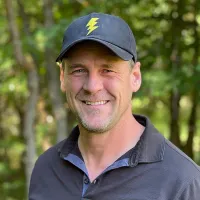
Last reviewed: . Reviewed by Mike Morris, Founder, Ask Solar Mike .
1. Who is responsible for each part of the project?
Ask who will design the system, sign the contract, coordinate permitting, manage the project, perform the installation, commission the equipment, and handle service after installation. Put a company name and responsibility beside every step so you know whom to call if something changes.
Ask Solar Mike handles design, contracting, permitting coordination and project management; installation is performed by licensed, insured crews under our Utah contractor license, DOPL #14015846-5501 .
2. Can I independently verify your license and Tesla status?
Request the exact business name and license number rather than relying on a logo in a proposal. Check the record with the issuing state agency. If Tesla equipment is central to the proposal, ask where you can verify the company’s current status in Tesla’s public installer directory.
Ask Solar Mike is a licensed Utah contractor, DOPL #14015846-5501, and a Tesla Certified Installer; verify the current Tesla status through Tesla’s public installer directory .
3. Who produces and reviews the system design?
A sales layout is not the same as an engineered design. Ask who checks equipment placement, electrical architecture, service-panel conditions, backup boundaries, and constructability. Find out which assumptions will be confirmed during site verification and what happens if the field conditions differ from the proposal.
Ask Solar Mike’s system designs are produced and reviewed by a licensed engineering firm . Homeowners comparing proposals can also review the company’s Tesla solar panel planning information.
4. How will you determine what the battery can back up?
Ask the installer to identify the intended backup loads instead of using “whole-home” as an undefined label. The discussion should include the main service size, electrical panels, heating and cooling equipment, EV charging, pumps, and any loads that must be excluded or managed. Request a diagram that shows where the battery, gateway, backup panel, and major loads fit.
Ask Solar Mike designs for 200A and 400A service panels, but the whole-home or essential-load architecture and gateway count are confirmed through site verification and engineering .
5. How will you confirm which utility serves my address?
Do not infer the utility from a city name, ZIP code, neighbor, or mailing address. Ask who will verify the serving utility and how its current interconnection requirements affect the design. Utility service in south Utah County varies by address—Payson, Spanish Fork and Salem run their own city power in parts of town, SESD serves others, and some pockets are Rocky Mountain Power. Ask Solar Mike confirms the serving utility as step one .
6. Which items are included, optional, or excluded?
Ask for one written scope that separates the solar array, battery equipment, gateways, backup panels, electrical upgrades, trenching, roofing work, permits, interconnection work, monitoring setup, and closeout documents. If an item is unknown, the proposal should explain when it will be determined and how a resulting change will be documented.
A useful comparison places identical scope categories side by side. If one proposal includes electrical work and another leaves it undefined, their headline figures are not measuring the same project.
7. Which incentives are included, and what is the gross amount before them?
Require the proposal to show the installed amount before incentives, identify each incentive separately, state who receives it, and explain any eligibility condition. Do not let a reduced amount appear as though it were the original sticker amount.
For reference, Ask Solar Mike lists Tesla solar panels at $3.35 per watt installed and $2.35 per watt after the current PPA incentive, rounded; a site-specific quote is required . The federal Section 25D residential credit is not available for expenditures made after December 31, 2025 .
8. What does each warranty cover, exclude, and require?
Ask for the written term, responsible party, covered work, exclusions, transfer rules, and claim path for every warranty. Separate workmanship, roof penetration, equipment, labor, monitoring, and installation-damage coverage. A long headline term is not enough if the proposal does not explain what the homeowner must do when service is needed.
Ask Solar Mike’s installer and program warranty stack includes 30-year workmanship, 10-year bumper-to-bumper coverage, 10-year roof-penetration coverage, no-cost labor on manufacturer-warranty repairs for the program term, 24/7 monitoring, and insured installation-damage repair. Manufacturer coverage includes a 25-year solar panel warranty and a 10-year Tesla Powerwall 3 warranty .
9. What will I receive when the system is commissioned?
Installation completion should produce more than working equipment. Ask for a written closeout checklist as part of the proposal. It should identify the records you will receive, who confirms registration, who activates monitoring, and where those documents will be stored for future service or a home sale.
Ask Solar Mike provides a commissioning receipt, system-registration proof, Tesla app monitoring handoff, a homeowner ownership record, a named service-escalation path, and written change-order control .
10. How are design changes documented and accepted?
Ask what happens when the site visit, engineering review, utility review, or permit process reveals a condition that was not visible during the initial conversation. Ask who writes the change, what supporting information is provided, and how the change is documented before work proceeds.
Keep every revision with the original proposal. This creates a clear record of why the equipment, layout, or scope changed instead of leaving important decisions scattered across calls and text messages.
11. What public proof can I check for myself?
Look for evidence that can be verified without relying on a salesperson’s summary. Useful checks include the state license record, current manufacturer-directory status, public reviews, and a clear explanation of who owns each project responsibility. For project photos or case studies, ask whether the homeowner authorized public use.
Ask Solar Mike reports experience across 2,000+ Tesla solar and battery installs . The company has a 4.9-star Google rating from 46 reviews, with current review activity available on the public Google profile .
12. Will you put every important answer in writing?
The final test is simple: compare the spoken explanation with the contract, scope, drawings, warranty documents, and closeout checklist. If an answer affects equipment, responsibility, coverage, eligibility, or project scope, ask where it appears in the written documents.
Do not score proposals by presentation polish alone. Score them by how many important questions receive specific, consistent, verifiable written answers—and how many remain assumptions.
What should I record while interviewing installers?
| Decision area | What to record |
|---|---|
| Responsibility | Company responsible for design, contract, permitting coordination, installation, commissioning, and service |
| Design | Reviewer, site-verification assumptions, service size, backup boundaries, and equipment diagram |
| Scope | Included, optional, excluded, and unresolved work |
| Utility | Verified provider and current interconnection path |
| Warranty | Term, coverage, exclusions, responsible party, transfer rules, and claim path |
| Closeout | Commissioning, registration, monitoring, ownership, escalation, and change-order records |
Frequently asked questions
Should I choose the lowest-priced solar proposal?
Not from the headline figure alone. First normalize the equipment, electrical work, backup scope, engineering, documentation, and warranty responsibilities. Then compare proposals that actually describe the same result.
Is Tesla Certified Installer status enough by itself?
No. Verify current directory status, but also review the license, engineered design process, written scope, backup plan, closeout records, and service path. Ask Solar Mike’s Utah contractor license and current Tesla status can be checked through the relevant public directories .
Should an installer promise whole-home backup before inspecting the property?
The proposal should identify the intended outcome, but the final architecture depends on site verification and engineering. Ask Solar Mike confirms whole-home versus essential-load backup and gateway count after reviewing the property and its electrical conditions .
What is the single most useful next step?
Put the answers from each installer into one worksheet, mark every unresolved assumption, and then use the complete proposal-comparison guide to evaluate the remaining differences.