
Top Utah Solar Companies
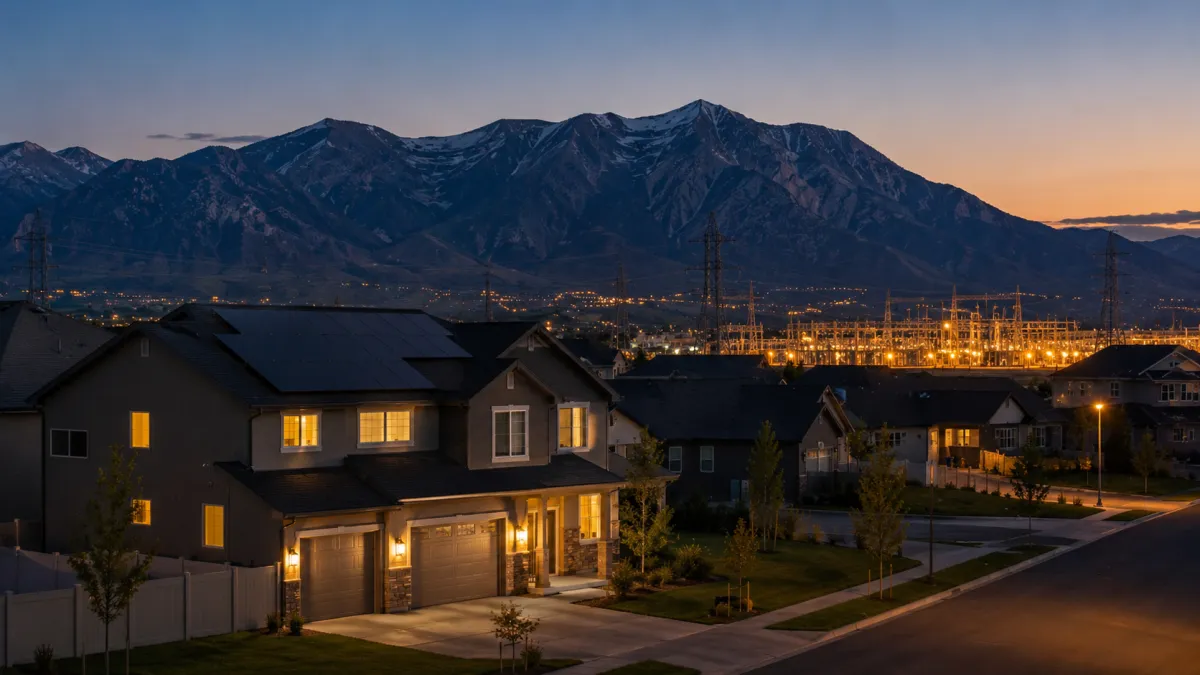
Rocky Mountain Power Rate Increases in 2026: What Utah Homeowners Can Do
If your Rocky Mountain Power bill keeps creeping up, you are not imagining it, and it is not going to stop on its own. Utah rates have been climbing, and the utility is signaling steeper increases ahead. Here is what is driving it, what it means for your bill, and the one move that turns a rising rate into a fixed cost.
What is happening with rates
Utah electricity rates have historically risen around 4 percent a year. That alone adds up over time. What is new is the projection ahead: the utility is now pointing toward increases closer to 10 percent. Recent rate requests have been large, and even after regulators trim them, the direction is clearly up.
For a household paying $180 a month today, a sustained climb at the higher end of those projections means hundreds of dollars more per year within a few years, and it compounds.
Why rates are climbing
Two forces are behind it. First, demand is surging, driven heavily by new AI data centers that consume enormous amounts of electricity. Second, much of the grid is aging and expensive to modernize, and those upgrade costs get passed through to ratepayers. Neither of those pressures is going away soon, which is why the projections point up rather than down.
What it means if you do nothing
If you stay fully on the grid, your bill is tied to whatever the utility charges, and you have no control over the trajectory. Every approved increase is money out of your pocket, every month, indefinitely.
The move that fixes your cost
Solar changes the equation by replacing a rising variable cost with a fixed one. The power your roof produces is yours at a locked-in cost, no matter what happens to utility rates. The faster rates rise, the more valuable that locked-in production becomes, which is why rising rates actually shorten the payback on solar.
There is a Rocky Mountain Power detail worth understanding. The utility uses net billing, which credits power you export at a reduced rate. So the strongest setup is solar plus a Tesla Powerwall 3, which lets you store and use your own power in the evening rather than exporting it cheaply and buying it back at full price after dark.
On top of that, Mike's instant 30 percent rebate brings the system price down on day one, and it ends July 4, 2026. With rates rising and the rebate on a deadline, the case for acting sooner is straightforward.
FAQ
How much are Rocky Mountain Power rates going up? Historically around 4 percent a year, with the utility now projecting closer to 10 percent. Specific approved amounts vary by rate case.
Why are rates rising so fast? Surging demand from AI data centers and the cost of modernizing an aging grid are the main drivers.
Does solar protect me from rate increases? Largely, yes. The power you generate is at a fixed cost, so the more rates rise, the more you save.
Should I add a battery on Rocky Mountain Power? On net billing, a Tesla Powerwall 3 helps you use your own power instead of exporting it at a reduced rate, which increases your savings.
Lock in before July 4, 2026
You cannot control Rocky Mountain Power's rates, but you can stop being fully exposed to them. See what solar would do for your bill with the calculator above, then call or text Mike at 385-312-0904 or get a free quote at asksolarmike.com/google. Mike's instant 30 percent rebate ends July 4, 2026.


Your Gateway to Global Adventures Await Here.


Quick Links
Home
About Us
Services
Testimonials
FAQ's
Blog
Quick Links
Location: 955 S HOMESTEAD DR, WOODLAND HLS UT 84653
Phone: (385) 312-0904
Email: [email protected]