
Top Utah Solar Companies
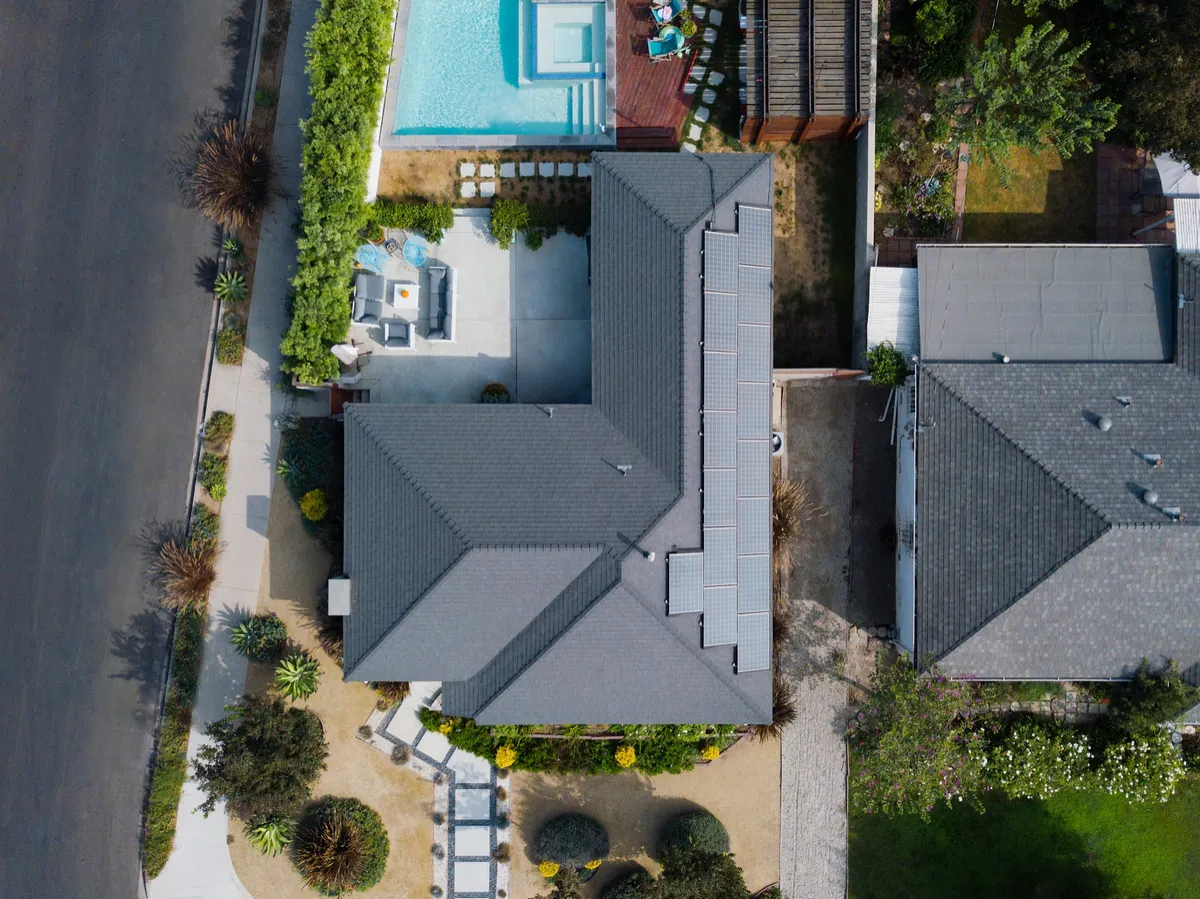
How Should You Prepare for a Solar Site Survey?
Prepare clear access to the roof, electrical equipment and possible battery locations; document recent home changes; and decide which household loads matter most during an outage. Ask Solar Mike handles design, contracting, permitting coordination and project management .
For a broader project checklist, start with the Utah solar installation timeline guide .
How do you prepare for a site survey?
The survey is a verification stage rather than confirmation that every preliminary detail is final. The useful goal is to identify anything that could affect design, access or household priorities during engineering review .
Ask Solar Mike handles design, contracting, permitting coordination and project management, while installation is performed by licensed, insured crews under its Utah contractor license . Every system design is produced and reviewed by a licensed engineering firm .
As the homeowner, concentrate on information only you can provide. Write down recent or planned changes such as a new electric vehicle, heat pump, hot tub, workshop equipment, finished basement or service-panel work. Do not try to engineer the system yourself. Give the project team an accurate picture of the house and how you expect to use it.
Which documents and details should you organize?
Create one project folder for the survey. Include the signed agreement and every proposal page you relied on when making the decision. Add any requested utility documents, photographs or equipment records without placing account numbers or other private information in an unsecured message.
A practical preparation list includes:
- The name of the utility shown on your electric bill.
- A list of electrical upgrades completed after the proposal was prepared.
- Notes about roof repairs, additions or structural changes.
- The approximate locations of the main electrical panel, meter and any subpanels.
- A list of large electrical loads, including vehicle charging, electric heating, cooling, pumps and shop equipment.
- Known access constraints, locked gates, pets or areas that require coordination.
- Your household-priority list for an outage: what should run continuously, what is needed only at certain times and what can wait.
That final list expresses household preferences; it is not an engineered backup design. Homes with 200A and 400A service panels can be supported, but the backup architecture for a particular home is confirmed through site verification and engineering .
How should you build a backup-priority list?
Start with the reason you are considering backup. Then divide household loads into three groups:
- Must run: equipment whose interruption would create an immediate household problem.
- Needed at selected times: loads you can schedule rather than operate continuously.
- Can wait: loads you are comfortable leaving off during an outage.
Use ordinary names instead of guessing at technical values. For example, write “upstairs air conditioner,” “well pump” or “garage vehicle charger.” The site and engineering review can connect those priorities to the actual electrical equipment. This keeps the conversation focused on how the home is used rather than on an unsupported promise of whole-home backup.
If you are still evaluating the broader equipment approach, review the Tesla solar panels guide for Utah homes.
What access should be ready on survey day?
Make the relevant parts of the property reasonably accessible. Clear movable storage away from the main panel, meter and any indoor wall being considered for equipment. Unlock gates and identify any attic, crawlspace or detached structure that may matter to the project. Keep pets safely separated from the work area.
Do not open electrical equipment, climb onto the roof or move anything unsafe. Your job is to remove ordinary access barriers and point out conditions that may not be obvious. Confirm any required access permission with a tenant, association or other property owner.
How does the serving utility affect design ?
Utility identity can depend on the exact address . In south Utah County, Payson, Spanish Fork and Salem operate city power in parts of the area, South Utah Valley Electric Service District serves others, and some locations use Rocky Mountain Power; Ask Solar Mike confirms the serving utility as an early project step .
Read the utility name directly from the current bill instead of selecting one based only on the city name. Do not publish or send an unredacted bill through a public comment or other public channel.
What questions help clarify the survey?
Use questions that expose assumptions rather than questions that invite a simple yes. A useful list is:
- Which parts of the preliminary proposal still require site verification?
- What areas of the property need to be accessible?
- Who should be present if access or household priorities need clarification?
- How should recent roof, electrical or appliance changes be documented?
- When will the verified information be reflected in the design?
- How will a proposed change be documented?
Keep the answers with the agreement and project records. This gives you a dated reference if the design, equipment placement or project scope later needs clarification.
What mistakes can weaken survey preparation?
Avoid making important home changes without telling the project team. New roofing work, electrical upgrades, service changes, additions and large appliances can make earlier assumptions stale. Also avoid treating a preliminary equipment location or backup description as final without site verification and engineering .
Do not treat a general process guide as a site-specific promise. Instead, track visible project stages such as information collection, site verification, design review, permitting coordination and installation preparation . Ask Solar Mike coordinates permitting and project management for its projects .
Frequently asked questions
Is the preliminary solar layout final after I sign?
Treat it as preliminary until site details and engineering have been reviewed. Every Ask Solar Mike system design is produced and reviewed by a licensed engineering firm .
Do I need to know whether my home has 200A or 400A service?
You may note any label you can see safely, but do not open the equipment or guess. Ask Solar Mike designs for both 200A and 400A service panels, and the site-specific backup architecture is confirmed through site verification .
Do I need to choose backup circuits myself?
No engineering decision is required from you. Prepare a household-priority list describing what must run, what can be scheduled and what can wait. That gives the design team useful context without substituting preference for engineering.
Who handles permitting coordination ?
Ask Solar Mike handles design, contracting, permitting coordination and project management .
What if something about the property changed after signing?
Document the change for the survey. Include what changed, where it is located and when the work occurred. Photographs can help when they do not expose account information, personal documents or other private details.
What is the next step?
Use the solar installation timeline guide as a broader project checklist .
Ask Solar Mike is a Utah Tesla solar and Powerwall 3 specialist focused on correctly sized backup for larger homes . The company serves homeowners throughout Utah .
Last reviewed: 2026-10-20.
Reviewed by Mike Morris, Founder, Ask Solar Mike .


Your Gateway to Global Adventures Await Here.


Quick Links
Home
About Us
Services
Testimonials
FAQ's
Blog
Quick Links
Location: 955 S HOMESTEAD DR, WOODLAND HLS UT 84653
Phone: (385) 312-0904
Email: [email protected]